Every major economic transformation creates its own bottlenecks.
During the industrial revolution, growth depended on access to coal, iron, and rail infrastructure. Factories expanded only as fast as those resources could be extracted and transported. The digital economy operates under different constraints, but the principle is the same. Instead of steel and coal, modern businesses rely on memory chips, high-performance storage, processors, and the data centers that connect them.
In 2026, pressure on those resources is becoming visible in a place many organizations notice immediately: IT infrastructure pricing.
Across the market, companies are seeing higher quotes for servers, storage systems, and networking equipment. Hardware refresh cycles that once followed predictable budgets now require closer review. Infrastructure projects planned several years ago often come back with updated pricing that reflects a very different technology supply environment.
This shift is not the result of isolated decisions by individual vendors or service providers. It reflects structural changes across the global semiconductor ecosystem. Rising memory costs, supply constraints in key components, and an unprecedented expansion of AI infrastructure are all pushing demand for computing resources higher.
These forces have been building since late 2025 and are continuing through 2026. For organizations that depend on stable, secure IT environments, understanding what is happening in the infrastructure market is the first step toward planning technology investments with clarity and confidence.
What Is Happening in the Infrastructure Market
The most important factor behind rising infrastructure costs today is the global memory market.
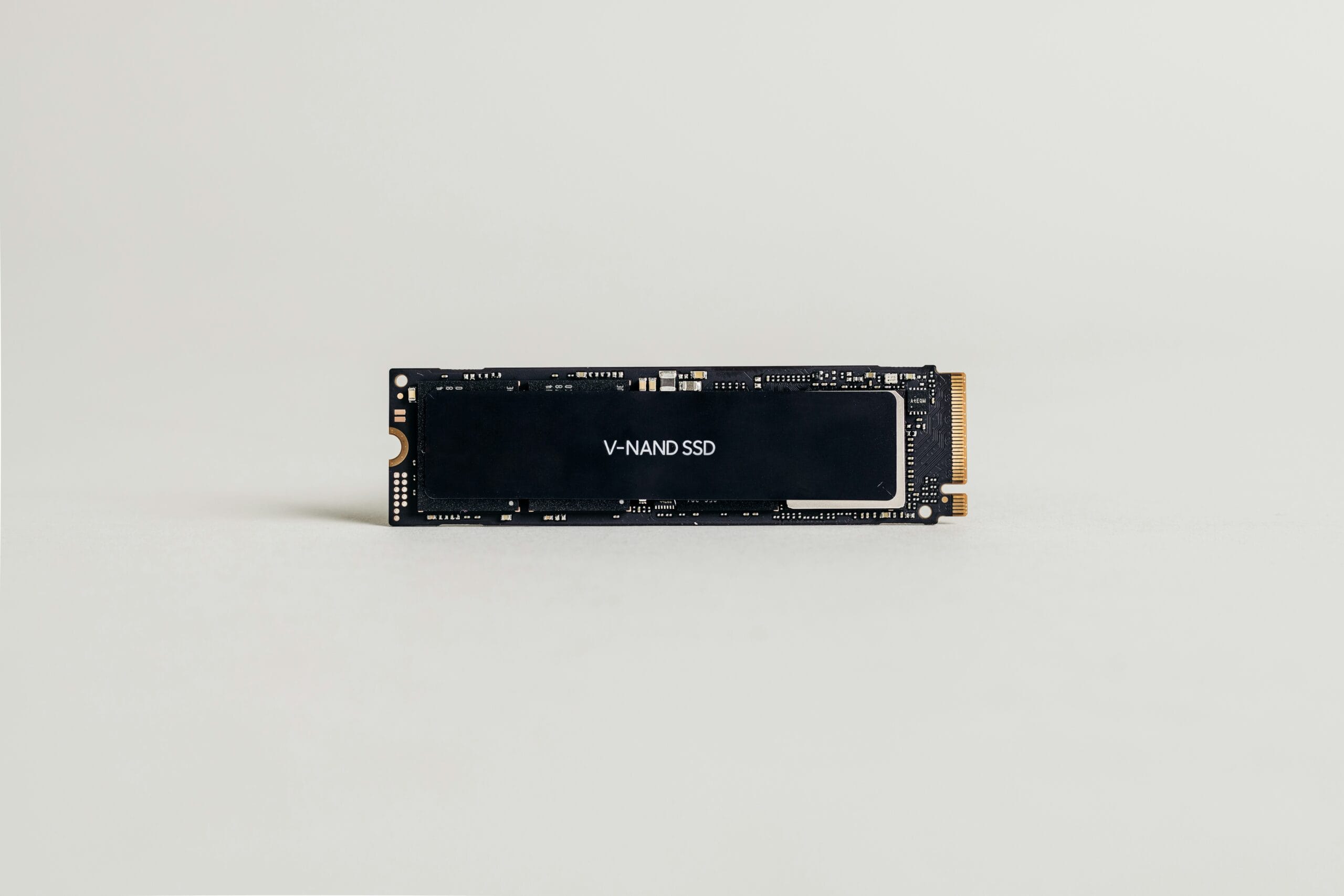
Modern enterprise systems depend heavily on two key technologies: DRAM and NAND flash memory. These components determine how quickly servers process information and how efficiently storage platforms scale to manage growing datasets. When the supply of those components becomes constrained, the impact spreads across the entire technology supply chain.
Memory production is concentrated among a small number of semiconductor manufacturers worldwide. Expanding fabrication capacity requires billions of dollars and several years of construction and ramp-up. As a result, when demand increases rapidly, supply cannot respond immediately.
Industry analysts have been tracking this shift closely. In early 2026, Gartner warned that rising memory costs could significantly influence device and infrastructure pricing throughout the year. The firm noted that increasing DRAM and SSD prices are likely to affect technology procurement decisions across the market.
This dynamic creates a cascading effect. Semiconductor manufacturers adjust pricing for memory components. Hardware manufacturers face higher production costs. Those costs eventually influence the price of servers, storage arrays, and networking equipment purchased by businesses.
By the time the change reaches enterprise buyers, the result is straightforward: infrastructure systems that once fit easily within budgets are becoming more expensive to deploy and maintain.
The Role of AI & Data Center Expansion
While supply cycles in semiconductors are not new, the current surge in demand has a clear catalyst: artificial intelligence.
Over the past two years, investment in AI infrastructure has accelerated dramatically. Hyperscale cloud providers, research organizations, and technology companies are building massive computing clusters designed to train and operate advanced machine learning models.
These environments require enormous amounts of memory and high-performance storage. Training modern AI models involves processing massive datasets across thousands of GPUs and servers. Each of those systems relies on large DRAM configurations and extremely fast storage layers.
As AI infrastructure expands, it consumes a growing share of global memory production.
Research firm TrendForce has reported that demand for DRAM and NAND components has risen sharply due to AI-driven infrastructure investment. The firm expects significant price increases for memory components as the supply-demand imbalance continues.
At the same time, the volume of data organizations generate continues to grow rapidly. Recent industry estimates suggest that global data creation could exceed 220 zettabytes in 2026, driven by the expansion of cloud services, connected devices, analytics platforms, and AI-powered applications.
The combination of AI expansion and global data growth places sustained pressure on the same infrastructure components businesses rely on every day. When demand for compute, memory, and storage grows faster than manufacturing capacity, prices inevitably adjust.
How the Infrastructure Market Is Adapting
As component costs rise, infrastructure vendors must adapt their pricing structures to reflect the new reality of the semiconductor supply chain.
Servers, storage systems, and networking platforms depend on components whose prices fluctuate with global supply and demand. When the cost of memory and storage components increases, infrastructure pricing across the market gradually moves in the same direction.
Industry observers have noted several adjustments in how infrastructure products are priced and delivered. Quote validity periods are becoming shorter, allowing suppliers to account for changing component costs. In some cases, pricing may be tied more closely to the cost of hardware components at the time equipment ships rather than when the order is initially placed.
These changes reflect an effort to manage risk in a market where component costs can shift quickly.
For customers, the key takeaway is that the trend is not limited to a single vendor or product line. It reflects broader changes in the economics of enterprise infrastructure driven by semiconductor supply constraints and increasing demand for compute resources.
What this Means for Businesses
For many organizations, the impact of these changes becomes visible during procurement.
A server configuration that cost a certain amount in 2024 or early 2025 may now come back with higher pricing. Storage expansions that once fit comfortably within budget forecasts may require adjustments. Networking upgrades and security infrastructure deployments can follow the same pattern.
Infrastructure refresh cycles are particularly sensitive to these market shifts because they operate on multi-year planning timelines. Businesses often schedule upgrades three to five years in advance, assuming relatively stable hardware costs. When component markets change quickly, the financial assumptions behind those plans may need to be revisited.
Contract renewals represent another moment when organizations encounter the effects of market changes. Managed IT agreements and infrastructure support services frequently reflect the cost of maintaining or replacing the systems supporting those environments.
When the underlying cost of infrastructure increases, renewal discussions naturally incorporate those changes.
For business leaders and IT decision-makers, the important point is not simply that infrastructure prices are rising. It is that the market is entering a period where supply conditions and component costs may remain more volatile than they have been in the past decade.
How Managed Service Providers Help Organizations Navigate the Shift
Periods of change in the technology market often highlight the value of experienced infrastructure partners.
Managed service providers operate at the intersection of vendors, distributors, and customer environments. This position provides visibility into supply chain developments, infrastructure lifecycles, and pricing dynamics across the industry.
That perspective becomes especially valuable when organizations need to make long-term infrastructure decisions.
A knowledgeable technology partner helps businesses interpret market signals rather than reacting to them after the fact. This might involve reviewing hardware lifecycle timelines, identifying systems approaching end-of-support, and evaluating whether upgrades should happen immediately or be phased over time.
It can also include assessing infrastructure architecture more broadly. Consolidating systems, modernizing virtualization platforms, or introducing hybrid infrastructure models can improve efficiency while reducing long-term operational complexity.
In periods of supply volatility, decision timing can be just as important as the decision itself. Organizations benefit from understanding when to accelerate infrastructure refresh cycles, when to extend existing systems safely, and how to plan investments in a way that aligns with broader market conditions.
Transparency plays an important role as well. Clear communication about market trends helps businesses plan technology investments with realistic expectations rather than encountering unexpected procurement challenges.
Ultimately, the role of a managed service provider is to guide organizations through complex infrastructure decisions with expertise and long-term perspective, ensuring that technology investments continue to support business growth and operational resilience.
Planning Your Infrastructure Strategy in 2026
The current pricing cycle highlights how interconnected the modern technology ecosystem has become.
Enterprise IT environments depend on global semiconductor manufacturing, advanced supply chains, and rapidly expanding data center infrastructure. As artificial intelligence adoption continues to grow, demand for compute capacity, memory, and storage will likely remain strong.
Organizations that treat infrastructure planning as an ongoing strategic process are better prepared for these shifts.
Regular technology assessments, proactive hardware lifecycle management, and clear infrastructure roadmaps allow businesses to adapt without sudden disruptions. Reviewing systems early also reduces the risk of rushed upgrades caused by aging hardware or unexpected capacity limitations.
The most resilient organizations view IT infrastructure not simply as an operational requirement but as a strategic platform that supports innovation, security, and long-term growth.
Supporting Your Infrastructure Roadmap
Rising infrastructure costs in 2026 reflect broader changes across the technology industry. Memory shortages, accelerating AI infrastructure investment, and semiconductor supply constraints are influencing pricing across servers, storage platforms, and networking systems.
Navigating these changes requires both technical expertise and long-term planning.
At Ardham, we work closely with organizations to help them design infrastructure strategies that remain stable, secure, and scalable even as market conditions evolve. Our team supports clients through services including infrastructure modernization, hybrid cloud architecture, network design, cybersecurity frameworks, and resilient data storage strategies.
If your organization is approaching a hardware refresh cycle or preparing for a managed services renewal, this is the right time to review your infrastructure roadmap.
👉 Contact our team today to explore how Ardham can help you plan, modernize, and future-proof your IT infrastructure.