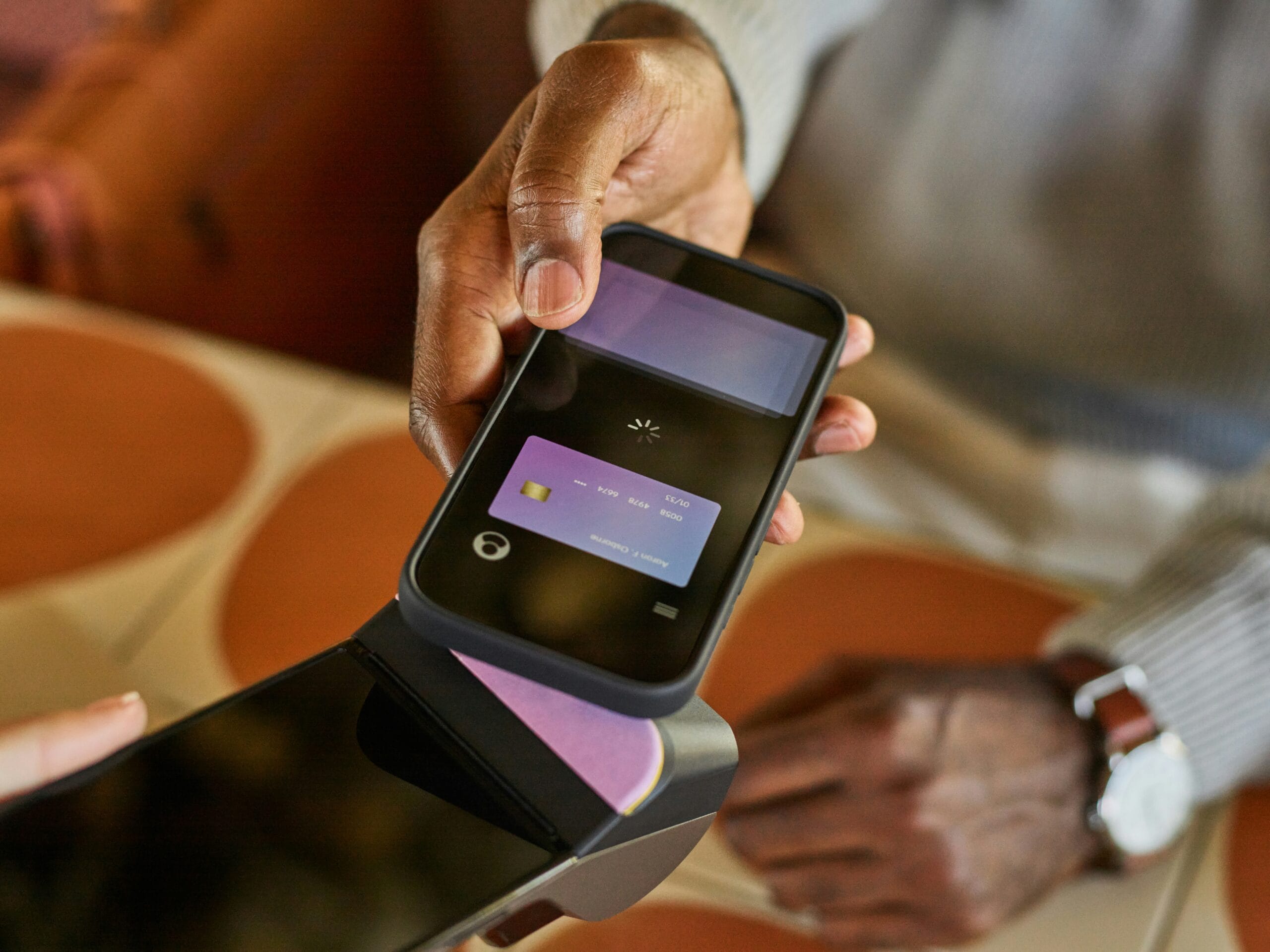
Over the past few years, retailers across the United States have discovered that payment breaches rarely announce themselves with obvious disruption. There is no immediate shutdown of registers, no dramatic ransom note halting operations. Instead, the compromise often begins with something routine: a vulnerable endpoint, a reused credential, or a remote access configuration that no one revisited after deployment. From there, attackers move quietly through the store network until they reach the POS environment, where payment data flows in real time.
In one recent case, a mid-sized retailer found that multiple point-of-sale terminals had been transmitting cardholder data to an external server for weeks. Transactions continued uninterrupted. Store managers saw no red flags. The theft unfolded in the background, extracting small volumes of payment data over time. By the time anomalous traffic triggered an investigation, the organization faced forensic expenses, mandatory customer notifications, reputational damage, and a formal PCI review.
This pattern is far from isolated. According to the Verizon 2024 Data Breach Investigations Report, retail remains one of the industries most frequently affected by payment card data breaches, with system intrusion and credential abuse identified among the primary attack patterns. Attackers target POS environments for structural reasons: high transaction volumes, distributed endpoints across multiple locations, third-party vendor access, and operational pressure to avoid downtime. These conditions make it easier for malicious activity to remain undetected within normal payment traffic.
At the same time, regulatory expectations are tightening. PCI DSS 4.0, published by the PCI Security Standards Council, introduces expanded requirements around multi-factor authentication, targeted risk analysis, and continuous validation of security controls, with several provisions that became mandatory in March, 2025. Retailers must now demonstrate not only that security controls are implemented, but that they are actively monitored, tested, and adjusted over time. PCI DSS compliance has shifted from periodic audit preparation to continuous security governance embedded in daily operations.
For small and mid-sized retailers, the question is immediate and practical: how to strengthen POS security, implement robust retail endpoint protection, ensure secure payments, and meet PCI DSS compliance requirements without building a large internal cybersecurity department. The path forward begins by recognizing that POS security and store network security are foundational business systems. The sections that follow outline how retailers can build that foundation for 2026 and beyond.
The Expanding Attack Surface of Modern Retail
Retail POS environments have changed dramatically in the past decade. Traditional standalone terminals connected to isolated payment processors have given way to integrated systems tied to inventory platforms, loyalty programs, e-commerce channels, and cloud analytics. The store floor is now part of a broader digital ecosystem.
Security authorities in the United States have repeatedly warned that the rapid growth of connected devices expands the overall attack surface of modern organizations. The National Institute of Standards and Technology (NIST) notes in its guidance on IoT cybersecurity that connected devices introduce additional risk vectors, including expanded access points, supply chain vulnerabilities, and increased opportunities for lateral movement within enterprise networks. In retail, this translates into a growing number of mobile POS systems, in-store IoT sensors, smart shelves, digital signage, and integrated customer engagement technologies connected to store networks. Each additional endpoint represents another potential entry point. When retailers deploy new digital capabilities to improve customer experience and operational efficiency, security architecture does not always evolve at the same pace.
Attackers exploit this complexity. A compromised employee credential can provide access to remote management tools. An unpatched Windows-based POS terminal can become a foothold. Weak network segmentation can allow lateral movement from guest Wi-Fi or back-office systems into the cardholder data environment. Once inside, malware designed specifically for POS systems can scrape memory to extract payment data before encryption occurs.
Retail endpoint protection cannot be limited to antivirus software. It must include hardened configurations, application allowlisting, endpoint detection and response (EDR), and strict access controls. Every POS device should be treated as a high-value asset. That mindset shift alone changes how organizations allocate budget and oversight.
PCI DSS 4.0: From Checkbox Compliance to Continuous Security
PCI DSS compliance has long been viewed as a regulatory hurdle. Many retailers historically prepared documentation shortly before their annual assessment, remediated obvious gaps, and moved on. PCI DSS 4.0 changes that dynamic.
The updated standard places greater emphasis on continuous risk analysis, multi-factor authentication, and validation of security controls over time. For example, requirements around authentication now extend to all access into the cardholder data environment, not just administrative access. Logging and monitoring expectations are more detailed, and organizations must demonstrate that security controls are effective in practice, not just documented.
Security frameworks increasingly stress that compliance alone does not guarantee meaningful risk reduction. The National Institute of Standards and Technology (NIST), through its Risk Management Framework (RMF), emphasizes that security controls must be selected, implemented, and continuously monitored based on organizational risk, not simply to satisfy audit requirements. PCI DSS 4.0 reflects this shift by encouraging a more risk-based and outcome-focused approach. Retailers are now expected to document why specific controls are appropriate for their environments and how those controls address identified threats. Compliance has become inseparable from active risk management.
For SMBs, this presents both pressure and opportunity. Pressure, because documentation and testing requirements increase. Opportunity, because aligning PCI DSS compliance with broader POS security and secure payments strategy creates operational clarity. When compliance becomes embedded in daily operations, it supports resilience rather than distracts from it.
Securing the POS Device Itself
The POS terminal sits at the center of secure retail payments. If that device is compromised, encryption and network defenses can be bypassed before data leaves the system.
First, operating systems must be standardized and hardened. Default passwords, unnecessary services, and outdated software remain common weaknesses. The Center for Internet Security publishes benchmarks that can guide secure configuration for common platforms. Applying such baselines across all POS systems reduces variability and closes predictable gaps.
Second, application control is essential. POS systems should run only authorized software. Application allowlisting prevents unauthorized executables from running, which directly reduces the risk of POS malware. This is particularly important in distributed retail environments where local staff may have limited technical oversight.
Third, remote access must be tightly controlled. Many breaches begin with exposed remote desktop services or weak VPN credentials. Multi-factor authentication, restricted IP ranges, and session monitoring are basic requirements under PCI DSS 4.0 and critical for POS security in practice.
Retailers that invest in hardened images, centralized patch management, and EDR tools create a consistent security posture across hundreds of endpoints. The cost of standardization is significantly lower than the cost of breach remediation.
Store Network Security & Segmentation
Even a well-hardened POS device can be compromised if it sits on a flat network. Store network security must enforce strict segmentation between the cardholder data environment, corporate systems, back-office operations, and guest Wi-Fi.
The National Institute of Standards and Technology (NIST) formally addresses network segmentation as a core security principle for limiting lateral movement within enterprise environments. In retail environments, this translates into isolating POS traffic through VLAN segmentation and internal firewalls, tightly controlling communication paths between store systems, and applying least-privilege principles to network access. Effective segmentation ensures that a compromised endpoint does not automatically expose the entire cardholder data environment.
Firewalls should not simply separate the store from the internet; they must control east-west traffic within the store environment. Intrusion detection and prevention systems can monitor for anomalous activity, such as unexpected outbound connections from POS terminals.
Secure payments depend on minimizing the number of systems that can access cardholder data. Tokenization and end-to-end encryption further reduce exposure. When card data is encrypted at the point of interaction and replaced with tokens in downstream systems, the value of intercepted data drops dramatically.
Retailers often hesitate to redesign store networks because of perceived complexity. In reality, modern managed network solutions allow centralized configuration and monitoring across multiple locations. For SMBs, partnering with a Managed Service Provider can accelerate segmentation projects without overwhelming internal teams.
Human Factors & Operational Discipline
Technology controls are necessary, but they are not sufficient. Many retail breaches originate in human error: phishing emails, weak passwords, or misconfigured systems.
Frontline employees in customer-facing industries often receive limited cybersecurity training, despite handling sensitive systems daily. Retail associates and store managers need clear, practical guidance on recognizing suspicious activity, securing devices physically, and escalating incidents quickly.
Access governance is equally important. Staff turnover in retail is high. Dormant accounts and excessive privileges create unnecessary risk. Identity and access management systems that automatically adjust permissions based on role and employment status reduce that exposure.
Operational discipline also includes incident response readiness. Retailers should maintain a tested response plan that addresses POS-specific scenarios, including coordination with payment processors, acquiring banks, and forensic investigators. Time to detection and containment directly influences financial impact.
Building a Sustainable Security Model for 2026 & Beyond
Securing POS systems and payments for 2026 requires sustained investment, but not necessarily a large in-house security department. SMBs benefit from a model that combines internal accountability with external expertise.
A Managed Service Provider can deliver continuous monitoring, patch management, vulnerability assessments, and compliance reporting tailored to retail environments. This approach transforms POS security from a reactive expense into a managed operational function.
Retailers should evaluate partners that can support:
- Advanced endpoint management for POS and in-store devices
- 24/7 security operations center monitoring
- PCI DSS compliance assessments and documentation support
- Secure cloud integration for retail platforms
- Business continuity and disaster recovery planning
At Ardham, we work with retailers to design secure retail payments architectures that integrate endpoint hardening, store network security, and continuous compliance management. Our cybersecurity and compliance services support PCI DSS 4.0 readiness, while our managed infrastructure solutions ensure POS systems remain updated and monitored across all locations. We also provide secure cloud and hybrid network design to connect stores, warehouses, and headquarters without exposing cardholder data.
Retail leaders understand that customer trust is fragile. Payment security directly influences brand perception, customer loyalty, and long-term growth. Protecting that trust requires more than passing an audit. It requires discipline, architecture, and ongoing oversight.
Building a Secure Payments Strategy
Retail in 2026 will move faster, process more digital transactions, and connect more devices than ever before. Every swipe, tap, and mobile wallet transaction depends on secure payments infrastructure that customers never see but always expect to work flawlessly. POS security and PCI DSS compliance sit at the center of that expectation.
Organizations that treat retail endpoint protection and store network security as strategic priorities will reduce breach risk, contain operational disruptions, and maintain regulatory confidence. Those that delay modernization will find that attackers move more quickly than annual audit cycles.
👉 If your organization is ready to modernize POS security, strengthen PCI DSS compliance, and build a resilient secure payments environment across all your retail locations, contact our team today. We will help you design, implement, and manage a security architecture that protects your customers, your revenue, and your brand well beyond 2026.