A Retail Industry at a Crossroads
Walk into any American shopping mall today and the contrast is striking. Some stores feel alive: integrating mobile apps, seamless checkouts, and personalized offers the moment you step inside. Others, by contrast, still rely on outdated point-of-sale terminals, disconnected systems, and staff scrambling to manage inventory that customers have already seen online. This is the dividing line of modern retail: those who have embraced digital transformation and those who are struggling to catch up.
The Retail Industry Leaders Association (RILA) describes this moment as one of “seven imperatives for the retail industry,” highlighting that retailers must reimagine customer experiences, integrate operations, and build resilient supply chains if they want to remain relevant. The urgency is clear. According to McKinsey, digital leaders in retail generated 3.3 times the shareholder returns of laggards between 2016 and 2020. In other words, transformation is not just a technology project, it’s competitiveness.
Cloud as the Nervous System of Modern Retail
The journey often begins with the cloud. Think of it as the nervous system of the modern retailer: invisible but essential to every movement. During peak shopping seasons (Black Friday, Cyber Monday, or even an unexpected viral TikTok trend) retailers cannot afford downtime or rigid IT systems. Legacy infrastructure, once sufficient, now buckles under the weight of customer expectations.
Gartner warns that “tweaking legacy systems won’t suffice,” pushing retailers to embrace composable, cloud-native architectures that can scale on demand and integrate easily with new technologies. By decoupling monolithic systems into agile microservices, retailers gain the flexibility to experiment quickly—whether launching a new loyalty program, integrating a payment option like Apple Pay, or expanding to a new sales channel.
For managed service providers (MSPs), this represents a vital partnership opportunity. Cloud isn’t just about cost optimization; it’s about giving retailers the infrastructure to innovate at the speed of consumer behavior.
Reinventing the Store: POS Modernization & the Hybrid Experience
Despite the rise of e-commerce, brick-and-mortar isn’t disappearing. Instead, it’s transforming. As Devin Wenig, former eBay CEO, famously noted: “The world of e-commerce and commerce are now seamlessly merged. Retail must have an omnichannel strategy or they won’t survive.”
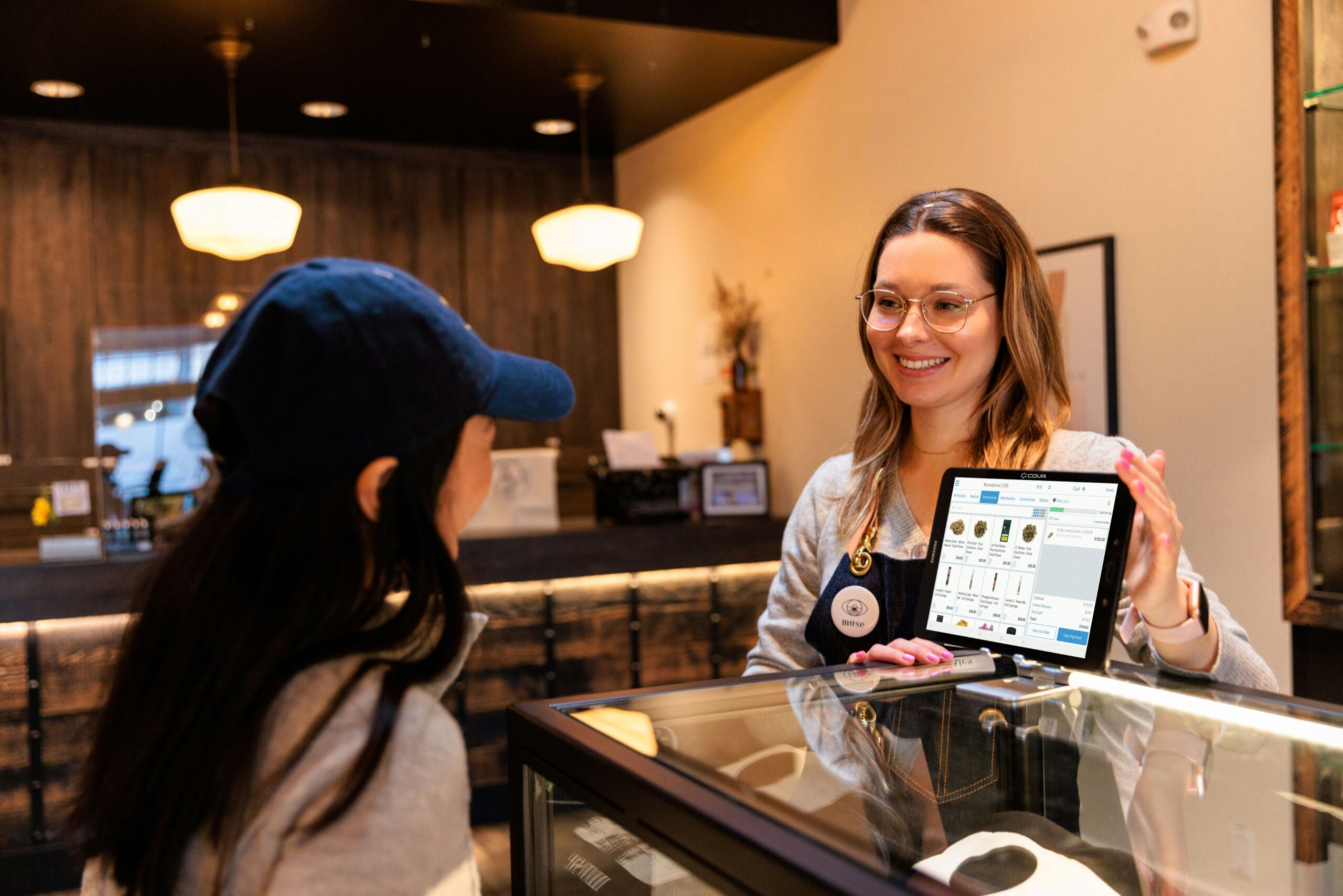
The physical store has become more than a place to purchase—it’s a showroom, a fulfillment hub, and even a brand experience center. But for that to work, outdated point-of-sale (POS) systems must evolve. Modern POS solutions integrate with inventory management, online orders, and customer loyalty platforms, giving store associates real-time data at their fingertips.
According to McKinsey, retailers who embrace in-store automation and intelligent scheduling can reduce labor costs by up to 12% while simultaneously improving customer satisfaction. Imagine a store associate who can check stock availability, ship an item directly to a customer’s home, and process payment on a mobile device all without sending the shopper to a traditional checkout counter. That’s customer delight.
Omnichannel Integration: Building a Seamless Journey
Today’s consumers don’t think in terms of channels, they simply expect a seamless journey. They might browse a product on Instagram, check reviews on a mobile app, and then walk into a store to see it in person. If the experience feels disjointed, loyalty is lost.
McKinsey highlights a sobering reality: during the pandemic, 75% of U.S. consumers switched brands due to convenience, availability, or better digital experiences. This underscores the importance of omnichannel integration, not as a competitive advantage but as the minimum expectation.
The RILA/McKinsey retail CEO survey found that top-performing retailers are prioritizing personalization across every channel and fast, flexible fulfillment. Over 90% of consumers now see 2–3 day shipping as a baseline, while nearly a third expect same-day delivery. Retailers that unify online and offline data, leverage cloud-based inventory, and integrate last-mile logistics are the ones meeting those expectations.
For MSPs, enabling unified commerce platforms and ensuring consistent data flows across ERP, CRM, and POS systems is mission-critical.
Data & Analytics: From Gut Feelings to Predictive Retail
Retail has always been about understanding the customer. What’s changed is the scale and sophistication of that understanding. Where once retailers relied on intuition and seasonal trends, they now have the tools to predict demand, personalize offers, and optimize inventory in real time.
Gartner calls this shift toward algorithmic retailing, where decisions about pricing, promotions, and merchandising are driven by machine learning and predictive analytics. By leveraging AI, retailers can anticipate what products customers will want, where they will want them, and even at what price point.
The benefits are tangible: fewer stockouts, reduced markdowns, and stronger customer loyalty. But data isn’t just about efficiency, it’s about crafting memorable experiences. Imagine walking into a store and receiving a personalized offer based not only on your past purchases but also on current inventory trends and local demand. That’s the power of retail analytics done right.
The Human Side: Developers as Retail Innovators
Amid all the talk of systems and algorithms, it’s easy to forget the human talent making this possible. But Gartner predicts that by 2028, 75% of enterprise developers will be supported by AI tools, freeing them to focus on innovation rather than routine coding tasks.
For retailers, this means faster prototyping, more experimentation, and the ability to tailor digital experiences at unprecedented speed. Developers, once seen as backend technicians, are now strategic enablers of customer experience. MSPs that empower this new wave of developer-driven innovation will help retailers accelerate their transformation.
From Strategy to Execution: The Playbook for Success
Having the right vision is not enough; execution determines who wins. Gartner’s CIO Agenda emphasizes that “digital vanguards” (companies that align technology transformation with business priorities) are twice as likely to achieve their goals compared to peers.
A structured roadmap often follows five phases: Envision, Sequence, Build, Scale, Refine. MSPs play a crucial role in guiding retailers through these steps, ensuring that digital investments deliver measurable outcomes. The goal is not a one-time project but an ongoing rhythm of innovation—a cycle of adapting to new technologies, consumer behaviors, and market disruptions.
Leading, Not Following
The future of retail is being written today. Some companies will struggle, weighed down by outdated systems and fragmented customer experiences. Others will leap ahead, harnessing cloud agility, omnichannel integration, real-time analytics, and human creativity to set new standards.
For modern retailers, digital transformation is the path to leadership. Only bold, coordinated tech and operating model changes will close the performance gap.
If your organization is ready to modernize its infrastructure, streamline operations, and deliver exceptional customer experiences, we are here to help. Our team of experts specializes in guiding retailers through every step of digital transformation, from cloud adoption and POS modernization to omnichannel integration and advanced analytics.
Contact us to start building a smarter retail business that’s prepared to thrive in the digital-first era.