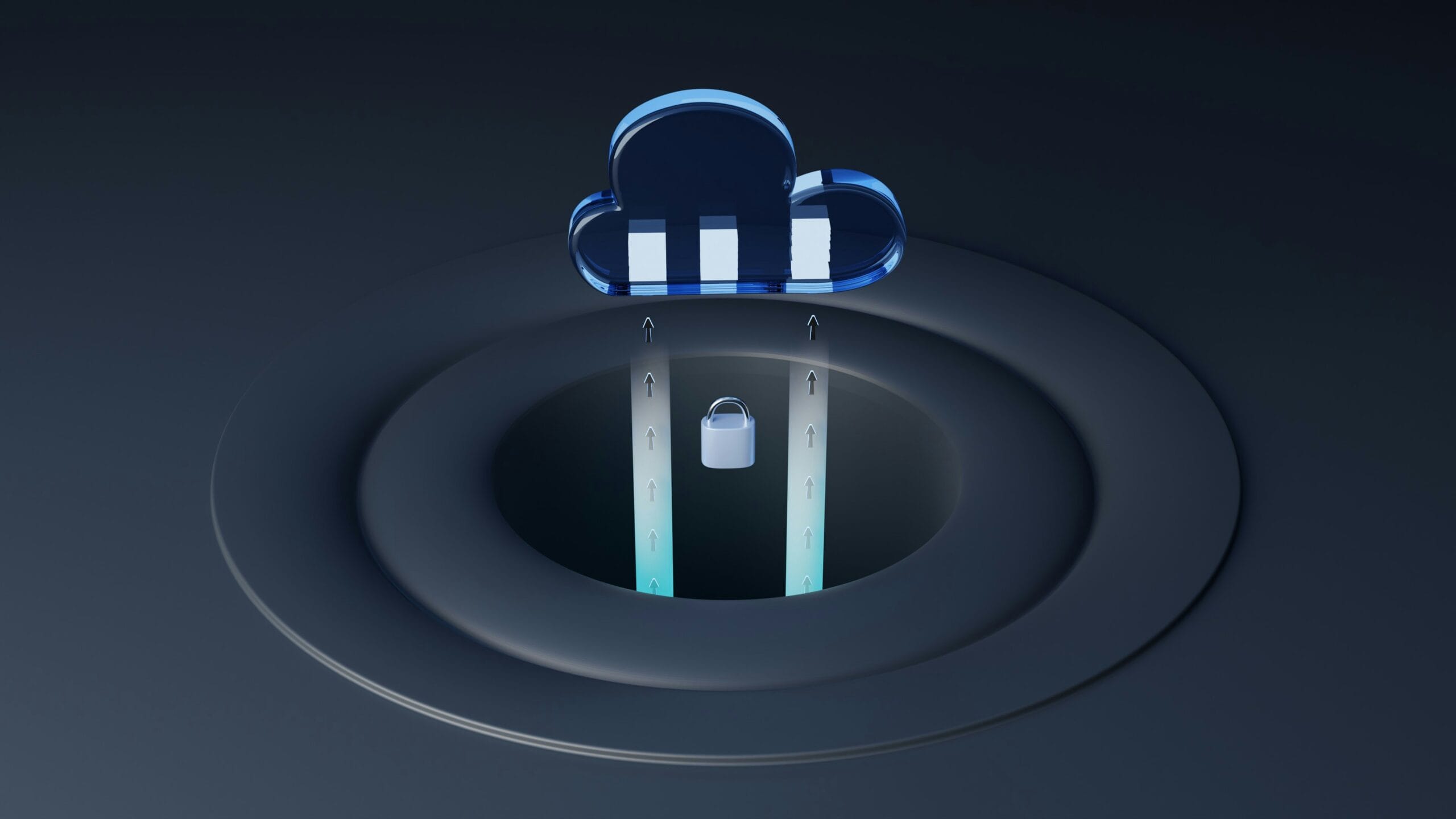
In recent years, the cloud has become the foundation upon which many small and mid-sized businesses build their digital transformation journeys. Business leaders and IT decision-makers have begun to understand the cloud not simply as a technology environment, but as a strategic engine: a dynamic space where applications, data, processes, and people interconnect with speed and flexibility. This shift has transformed how companies grow, launch new services, and compete in the market.
Yet, this acceleration of digital adoption has revealed a less visible but equally critical dimension: the growing interdependence between security, operations, and business strategy. As organizations migrate more critical assets to the cloud, the reliability of that infrastructure becomes inseparable from business continuity. Security stops being a mere technical safeguard; it becomes a core component of organizational resilience, underpinning trust with customers and partners.
Within this evolving landscape, striking data points begin to emerge. Global public cloud spending is projected to reach 1 trillion by 2026, underscoring how essential cloud has become in both enterprise and SMB IT strategies. At the same time cloud environments continue to be a primary locus of risk: breaches involving cloud or multi-environment data are among the most costly, underscoring misconfigurations and insufficient access controls as recurring root causes.
For SMBs, these dynamics create a delicate balance between opportunity and risk. The cloud enables faster innovation and scalability but demands a level of security, governance, and operational maturity that goes beyond mere infrastructure adoption. Cloud security thus becomes a strategic imperative: a dimension that influences competitiveness, compliance, operational continuity, and long-term growth.
From this vantage point, it becomes clear why 2026 stands out as a critical inflection year. Trends such as mature Zero Trust implementation, AI-driven defense, compliance-by-design, and advanced backup and disaster recovery architectures will redefine how organizations approach cloud security. This article explores those trends and shows how MSP Cloud Solutions can help SMBs build secure, scalable, and resilient cloud ecosystems.
1. The Strategic Rise of Zero Trust for SMBs
Zero Trust is rapidly evolving into an operational necessity for organizations of all sizes. For many years, businesses treated it as a best-practice for large enterprises. But as workloads become cloud-native, teams become distributed, and identity surfaces expand, Zero Trust is becoming a strategic priority even for SMBs.
The push comes from a rise in identity-based attacks. Compromised credentials remain among the top factors leading to cloud incidents, with attackers leveraging advanced techniques like session hijacking, token theft, and MFA bypass attempts. For smaller organizations, where security resources are often limited, a single compromised account can lead to data exposure, disruption, and reputational damage.
Zero Trust addresses this by replacing perimeter-based protection with continuous verification, validating identity, device posture, and context at every interaction. It relies on segmentation, micro-perimeters, and automated policy enforcement. As regulatory frameworks such as NIST SP 800-207 and emerging federal cybersecurity guidelines emphasize stricter access governance, Zero Trust is becoming not only a security best practice but a compliance enabler.
Implementing Zero Trust is a journey: starting with visibility and identity hygiene, evolving through network segmentation and access control, and maturing with continuous monitoring and adaptive policy automation. MSP Cloud Solutions play a key role in guiding this transformation. With architectural expertise, deployment capabilities, and ongoing governance support, an MSP can help SMBs embed Zero Trust principles into everyday operations, ensuring scalability and security in parallel.
2. AI-Driven Cyber Defense & Autonomous Response
Artificial intelligence is redefining the security paradigm. Industry analysts project that AI could automate up to 40% of routine cybersecurity tasks over the next few years, revolutionizing how threats are detected, logs analyzed, and incidents responded to. For cloud environments (which generate vast, complex telemetry and where attacks may span identity, network, and workload layers), AI’s potential is especially significant.
AI-powered threat detection systems can analyze behavior across networks, endpoints, identity systems, and workloads. Instead of relying solely on signature-based detection, they can unearth anomalous patterns, early indicators of lateral movement, abnormal API usage or suspicious workload behavior that human operators might miss. For SMBs lacking 24/7 Security Operations Centers, this capability offers a powerful force multiplier.
By 2026, autonomous response mechanisms will likely become widespread. When unusual activity is detected (such as an endpoint behaving erratically, or unusual data flows inside the cloud) AI-driven systems can automatically isolate workloads, revoke access tokens, or trigger enhanced authentication. This real-time containment dramatically reduces dwell time and blast radius, limiting damage and operational impact.
However, AI is not a magic bullet. Its effectiveness depends on proper integration, continuous tuning, and governance aligned with business priorities and compliance requirements. This is where MSP Cloud Solutions add substantial value: orchestrating AI-based security tools, configuring policies, integrating identity and network controls, and ensuring that automated defenses operate reliably and transparently. With the right architecture and oversight, AI becomes not just a tool, but a strategic asset—one that enhances reliability, responsiveness, and scalability.
3. Cloud Compliance as a Competitive Advantage
Cloud compliance has evolved beyond a matter of regulatory necessity, it has become a strategic differentiator. Companies increasingly recognize that robust governance, transparent controls, and compliance-ready architectures can speed up partnerships, ease vendor audits, and consolidate customer trust. This holds especially true in regulated industries such as finance, healthcare, and critical infrastructure sectors.
Recent regulatory developments have raised the bar. U.S. frameworks (such as data-protection and disclosure requirements) demand stronger governance and accountability. In the United States, evolving regulations are raising expectations for cloud governance. Frameworks such as the FTC Safeguards Rule, SEC cybersecurity disclosure requirements, and emerging federal guidelines on critical infrastructure security are expanding the scope of what organizations must monitor and document. These complement longstanding standards such as PCI-DSS, HIPAA, ISO 27001, and SOC 2, creating a complex but necessary compliance landscape.
In response, organizations are increasingly embracing “compliance-by-design” architectures: systems where governance, logging, identity controls, and audit trails are built into the foundation of cloud infrastructure. This embeds security and compliance into daily operations, instead of treating them as afterthoughts.
MSP Cloud Solutions play a vital role in enabling this transformation for SMBs. Through structured designs, continuous monitoring, and documentation support, MSPs help companies maintain compliance without overburdening internal teams. In doing so, cloud compliance becomes an enabler of growth—unlocking new markets, facilitating partnerships, and building trust with customers.
4. Modern Backup & Disaster Recovery in a Ransomware-Dominated Era
Ransomware remains one of the most disruptive threats. Data breaches continue to deliver record-breaking financial impact, with the global average cost reaching $4.88 million (US). A significant portion of these incidents involve data stored across multiple environments (including public cloud), underscoring the urgency of adopting resilient backup and disaster recovery strategies.
Given the sophistication of modern threats, traditional backup solutions designed for on-premises infrastructures are insufficient. Attackers increasingly target backup repositories to delete version histories or corrupt data, rendering recovery difficult. In 2026, effective protection strategies will rely on immutable backups, geographically distributed storage, automated replication, and regular recovery testing to ensure timeliness and integrity.
Disaster recovery will evolve from an occasional contingency plan into a continuous operational discipline. MSP Cloud Solutions elevate this approach through structured frameworks, automated orchestration, and periodic recovery drills. For SMBs, this translates into significant reductions in downtime risk, faster recovery times, and greater confidence in business continuity, even in the face of sophisticated attacks.
5. Strengthening Cloud Resilience & Business Agility for 2026
Cloud security is entering a pivotal stage, shaped by deeper Zero Trust adoption, AI-driven threat intelligence, new compliance obligations, and increasingly sophisticated ransomware tactics. These trends are converging into a single imperative: organizations need security architectures that operate continuously, adapt intelligently, and support long-term growth. For SMBs, the challenge is not only technological but operational. Building a secure cloud ecosystem requires specialized expertise, consistent governance, and the ability to transform complex infrastructures into environments that remain stable under pressure.
This is where Managed Service Providers play an essential role. MSPs bring structure and strategic direction to cloud operations, ensuring that identity, data, network, and resilience strategies work together rather than in isolation. Ardham Technologies supports this evolution with a focused set of cloud and managed services designed to help organizations strengthen posture and operate with confidence.
From our portfolio, the following services provide the most meaningful support for SMBs navigating 2026 cloud security challenges:
Cloud Hosting & Infrastructure Modernization: Designing and modernizing cloud environments that are scalable, secure, and optimized for performance.
Managed Security Services: Continuous monitoring, threat detection, firewall and vulnerability management, aligned with compliance and governance needs.
Backup & Disaster Recovery Management: Cloud-based immutable backups and structured recovery plans that protect data integrity and ensure business continuity.
Network Architecture & Secure Connectivity: Designing resilient, segmented networks and secure connectivity to support Zero Trust and hybrid-cloud models.
24/7 Managed Support & Infrastructure Monitoring: Proactive oversight of critical systems, rapid incident response, and guaranteed availability.
Server Virtualization & Storage Solutions: Reliable compute and storage environments engineered to support resilience, data protection, and resource optimization.
These combined capabilities help SMBs build cloud ecosystems that are secure, compliant, resilient, and scalable, ready to meet the demands of modern workloads and evolving threat landscapes.
If your organization is ready to strengthen its cloud strategy, improve compliance, and enhance resilience, our team stands ready to support you. Contact our team to explore MSP Cloud Solutions tailored to your business and discover how we can accelerate your modernization journey.